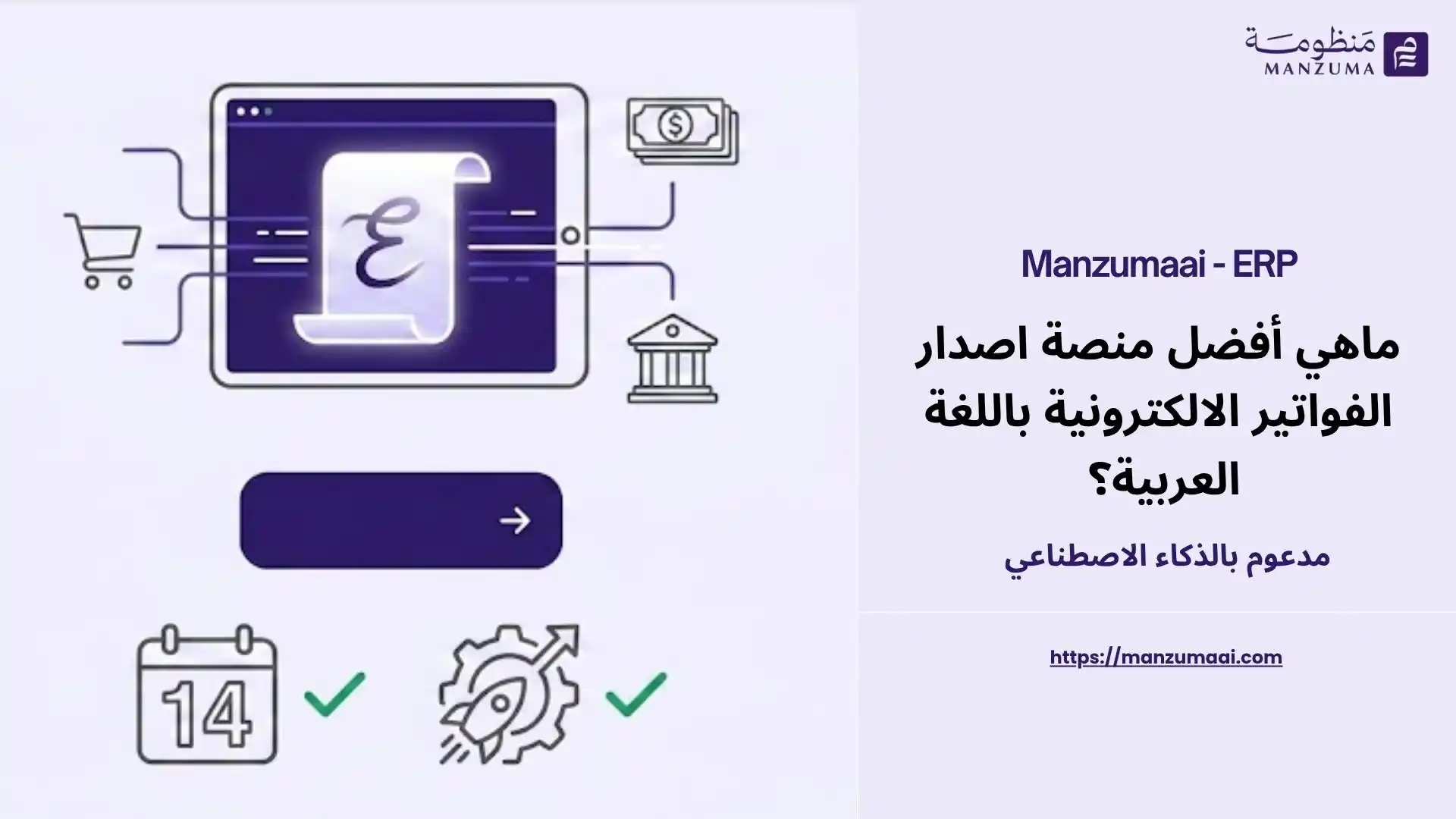
- What Is an Electronic Invoicing Platform?
- Why Do Businesses Need an Electronic Invoicing Platform?
- Electronic Invoicing Platform vs. Traditional Invoicing Software
- How Does an Electronic Invoicing Platform Work?
- 1. Add Customer Information
- 2. Select Products or Services
- 3. Calculate Taxes and Invoice Totals
- 4. Generate a Professional Invoice
- 5. Send the Invoice to the Customer
- 6. Track Payment Status
- Key Features of an Electronic Invoicing Platform
- Easy Professional Invoice Creation
- Tax Invoice and QR Code Support
- Automatic Tax and Discount Calculations
- Invoice Archiving and Easy Retrieval
- Invoice Delivery via Email or WhatsApp
- Payment Tracking and Outstanding Invoice Management
- Accounting Integration
- Inventory Integration
- Sales and Invoice Reporting
- Tax Calculation and Automatic Discount Management
- Easy Invoice Archiving and Retrieval
- Send Invoices via Email or WhatsApp
- Payment Tracking and Outstanding Invoices
- Accounting Integration
- Inventory Integration
- Clear Sales and Invoice Reporting
- The Role of Electronic Invoicing Platforms in Digital Transformation
- Is an Electronic Invoicing Platform Suitable for Small Businesses?
- How Does an Electronic Invoicing Platform Fit into an ERP System?
- Manzuma: An Electronic Invoicing Platform Within a Complete ERP System
- How Manzuma Simplifies Electronic Invoicing
- How Manzuma Helps You Manage Invoices After They Are Issued
- How Manzuma Connects Invoices with Accounting and Inventory
Invoice creation is no longer a simple task performed at the end of a sales transaction. Today, invoices play a central role in business management because they are directly connected to sales, customers, taxes, payments, accounting, inventory management, and business reporting.
As electronic invoicing continues to gain widespread adoption, businesses are searching for solutions that enable them to create and manage invoices efficiently instead of relying on spreadsheets, paper records, or disconnected systems. This is where choosing the right electronic invoicing platform becomes essential.
A reliable electronic invoicing platform does far more than generate invoices. It simplifies the entire invoicing process while integrating it with your company's daily operations. From customer information and tax calculations to product management, invoice delivery, payment tracking, and financial reporting, everything works together within a single system.
In this article, we'll explain what an electronic invoicing platform is, why your business needs one, the key features to look for, and how Manzuma helps businesses manage electronic invoices through a fully integrated ERP business management platform.
What Is an Electronic Invoicing Platform?
An electronic invoicing platform is a digital solution that allows businesses to create, manage, send, and track invoices electronically instead of relying on paper-based or manual processes.
Using an e-invoicing platform, you can generate invoices that include customer information, products or services, pricing, taxes, discounts, totals, and payment methods.
However, the role of a modern invoicing platform extends far beyond invoice creation. A robust solution helps businesses store invoices, send them to customers, track their status, monitor paid and outstanding invoices, and connect invoicing data with accounting, inventory management, and reporting systems.
Simply put, an electronic invoicing platform turns every invoice into part of a structured business workflow rather than leaving it as a standalone document that is difficult to track or review later.
Why Do Businesses Need an Electronic Invoicing Platform?
Any business that issues invoices regularly understands how invoicing can quickly become a challenge when processes are not organized.
A missing tax number, an incorrect discount, a pricing discrepancy, an unsent invoice, or a delayed payment can create significant operational and financial issues over time.
Using an electronic invoicing platform helps businesses reduce these risks by making the invoicing process more organized, transparent, and less dependent on manual data entry.
Your business may need an e-invoicing platform if you want to:
- Create invoices quickly and efficiently.
- Reduce tax calculation and invoicing errors.
- Organize customer and invoice data.
- Send invoices via email or WhatsApp.
- Track paid and overdue invoices.
- Connect invoicing with accounting and inventory systems.
- Generate accurate sales and collections reports.
- Support digital transformation and modern invoicing requirements.
An invoice is more than a sales document. It is an important financial and operational asset, and the better it is managed, the easier it becomes to manage the entire business.
Electronic Invoicing Platform vs. Traditional Invoicing Software
The difference may seem minor at first, but it becomes increasingly important as your business grows and invoice volumes increase.
Traditional invoicing software typically focuses on creating, printing, or storing invoices. An electronic invoicing platform delivers a much broader experience because it connects every invoice to the wider business process.
A modern electronic invoicing platform enables businesses to:
- Create invoices electronically.
- Store customer and product information.
- Automatically calculate taxes and discounts.
- Send invoices directly to customers.
- Monitor payment status.
- Integrate invoices with accounting systems.
- Update inventory after sales transactions.
- Generate sales and collections reports.
- Manage user permissions and access rights.
- Access invoice data from anywhere.
For growing businesses with multiple employees handling sales and accounting processes, an integrated invoicing platform provides significantly more value than a standalone invoicing tool.
How Does an Electronic Invoicing Platform Work?
The invoicing process within an electronic invoicing platform typically follows a series of simple steps that save businesses significant time and reduce manual work.
1. Add Customer Information
The process begins by selecting an existing customer from the database or creating a new customer profile. Businesses can store customer details such as name, tax identification number (if applicable), contact information, address, and other invoice-related data.
Maintaining a centralized customer database makes invoice creation faster and more efficient since the same information does not need to be entered repeatedly.
2. Select Products or Services
Next, products or services are added to the invoice. A well-designed electronic invoicing platform allows users to select items from a predefined catalog that includes pricing, quantities, units, and available discounts.
If the platform is integrated with inventory management software, stock quantities can be updated automatically once the invoice is issued.
3. Calculate Taxes and Invoice Totals
Automation becomes particularly valuable during this stage. Instead of manually calculating VAT, discounts, and invoice totals, the platform automatically calculates subtotals, tax amounts, discounts, and the final payable amount.
This significantly reduces invoicing errors, especially for businesses that generate a large number of invoices daily.
4. Generate a Professional Invoice
After all required information has been entered, the platform generates a professional electronic invoice containing essential details such as company information, customer information, invoice number, issue date, line items, tax details, total amount, and QR codes when required.
5. Send the Invoice to the Customer
Instead of downloading and manually sharing invoices, businesses can send invoices directly through email or WhatsApp, helping accelerate both sales and payment collection processes.
6. Track Payment Status
Once an invoice has been sent, businesses can monitor whether it has been paid, identify outstanding invoices, and determine which customers require payment follow-up.
This visibility plays an important role in improving cash flow management and reducing collection delays.
Key Features of an Electronic Invoicing Platform
When evaluating an electronic invoicing platform, businesses should focus on more than just invoice design. The platform should support the entire invoicing lifecycle, from invoice creation to payment collection and reporting.
Easy Professional Invoice Creation
A quality invoicing platform should make invoice generation simple and intuitive. Users should be able to create invoices without extensive technical expertise or lengthy procedures.
Everything should be clearly organized, including customer details, products or services, taxes, discounts, totals, and delivery options.
The simpler the invoicing process, the more productive and accurate your sales and accounting teams become.
Tax Invoice and QR Code Support
Electronic invoicing often requires structured tax information, particularly for tax-compliant invoices.
The platform should support company information, customer details, tax registration numbers, VAT calculations, and QR code generation when required by local regulations.
These capabilities help businesses issue compliant and professionally structured invoices.
Automatic Tax and Discount Calculations
Manual calculations remain one of the leading causes of invoicing errors.
A modern electronic invoicing platform should automatically calculate VAT, discounts, subtotals, and invoice totals, reducing errors while saving valuable time.
This functionality also ensures consistency between invoices, accounting records, and financial reports.
Invoice Archiving and Easy Retrieval
As businesses grow, the number of invoices increases significantly.
A reliable invoicing platform should allow users to quickly locate invoices based on customer name, invoice number, date, payment status, or invoice value.
Electronic invoice archiving improves accessibility and eliminates the need to search through paper documents or spreadsheets.
Invoice Delivery via Email or WhatsApp
Customers expect invoices to be delivered quickly.
An effective invoicing platform should allow businesses to send invoices immediately after creation through email or WhatsApp in PDF format.
This enhances customer experience and supports faster payment collection.
Payment Tracking and Outstanding Invoice Management
Creating an invoice is only the first step. Tracking payments is equally important.
The right electronic invoicing platform helps businesses identify paid invoices, overdue invoices, and outstanding balances for each customer.
This improves collection processes and reduces the risk of missed payments.
Accounting Integration
When invoicing operates separately from accounting systems, businesses often need to enter the same information multiple times, increasing the risk of errors and duplication.
By integrating invoicing with accounting software, every invoice automatically updates customer accounts, revenue records, tax entries, and payment information.
This creates a more accurate and efficient financial management process.
Inventory Integration
For trading and product-based businesses, invoicing and inventory management must work together.
Whenever a product is sold and an invoice is issued, inventory quantities should be updated automatically.
This helps prevent stock shortages, inventory discrepancies, and accidental overselling.
Sales and Invoice Reporting
A modern electronic invoicing platform should provide actionable reports that help businesses understand sales performance and collection efficiency.
Examples include:
- Total invoices issued
- Paid invoices
- Outstanding invoices
- Top customers
- Best-selling products
- Tax summaries
- Revenue trends
These reports transform invoices from simple documents into valuable business intelligence assets.
Tax Calculation and Automatic Discount Management
Manual tax calculations are one of the most common causes of invoicing errors. That’s why a reliable e-invoicing platform should automatically calculate VAT, discounts, subtotals, and final totals.
This feature not only saves time but also helps prevent discrepancies between invoices, accounting records, and financial reports.
Easy Invoice Archiving and Retrieval
As your business grows, the number of invoices increases significantly. A well-designed invoicing platform should make it easy to locate any invoice by customer name, invoice number, date, payment status, or invoice value.
Digital invoice archiving provides quick access to records, reduces reliance on paper documents, and eliminates time-consuming manual searches.
Send Invoices via Email or WhatsApp
Customers expect invoices to be delivered quickly. An effective electronic invoicing platform allows you to send invoices immediately after they are created.
Sharing invoices as PDF files through email or WhatsApp improves customer experience and helps your team accelerate payment collection.
Payment Tracking and Outstanding Invoices
Creating an invoice is only part of the process. Tracking payments is equally important.
A robust e-invoicing solution enables you to monitor paid invoices, overdue invoices, and outstanding balances for each customer. This helps finance teams improve collections and reduce revenue losses caused by missed follow-ups.
Accounting Integration
When invoicing operates separately from accounting, teams often need to enter the same information multiple times, increasing the risk of errors and duplication.
An integrated invoicing platform automatically updates customer accounts, revenue records, taxes, and payment transactions whenever an invoice is issued.
Inventory Integration
For product-based businesses, invoicing and inventory management should work together.
When a product is sold and an invoice is generated, inventory quantities should update automatically. This helps prevent stock discrepancies, inventory shortages, and accidental sales of unavailable products.
Clear Sales and Invoice Reporting
An electronic invoicing platform should provide meaningful reports that help businesses understand sales and collection performance.
Useful reports may include:
- Total invoices issued
- Paid and unpaid invoices
- Top customers by revenue
- Best-selling products
- Tax summaries
- Collection performance reports
These insights transform invoices from simple documents into valuable business intelligence tools.
The Role of Electronic Invoicing Platforms in Digital Transformation
Digital transformation is not only about launching a website or mobile application. In many organizations, it begins with core operational processes such as invoicing.
When invoices move from manual paperwork to a structured digital workflow, businesses start building a reliable database of operational and financial information. This data can be used to analyze sales performance, customer behavior, product demand, collection efficiency, taxes, and expenses.
An electronic invoicing platform supports smarter business management by connecting daily operations with strategic decision-making. Instead of asking questions like:
- Where is the invoice?
- Was it sent?
- Has it been paid?
Everything becomes visible and trackable within a single system.
Is an Electronic Invoicing Platform Suitable for Small Businesses?
Absolutely.
In fact, electronic invoicing platforms are often even more valuable for small and medium-sized businesses because they help establish organized processes from the beginning.
Many small businesses postpone implementing invoicing software because they assume it is only necessary for large enterprises. However, early adoption reduces future operational complexity, saves time, and lowers administrative costs.
A small business can benefit from an e-invoicing platform by:
- Presenting a professional image to customers
- Tracking sales more accurately
- Reducing manual errors
- Monitoring unpaid invoices
- Organizing customer information
- Simplifying accounting processes
- Preparing for future growth
The earlier a business adopts structured systems, the easier it becomes to scale efficiently.
How Does an Electronic Invoicing Platform Fit into an ERP System?
An invoicing platform solves part of the operational challenge, but it becomes significantly more powerful when integrated into a complete ERP system.
An ERP system connects invoicing with other critical business functions, including:
- Sales management
- Accounting
- Inventory management
- Purchasing
- Human resources
- Point of Sale (POS)
This integration matters because an invoice is not an isolated transaction.
When a sales invoice is created, it affects customer balances, revenue recognition, taxes, inventory levels, and reporting. Once payment is received, it impacts accounting records and cash flow management.
Choosing an electronic invoicing platform that is part of a comprehensive ERP system provides greater visibility and eliminates the need for multiple disconnected software solutions.
Manzuma: An Electronic Invoicing Platform Within a Complete ERP System
Manzuma offers a cloud-based ERP platform that helps businesses manage invoicing, sales, accounting, inventory, human resources, reporting, and point-of-sale operations from a single system.
Rather than serving as a standalone invoicing tool, Manzuma supports the entire sales cycle—from quotation creation and sales orders to invoicing, payment collection, and reporting.
With Manzuma, businesses can:
- Create professional electronic invoices
- Calculate VAT and discounts automatically
- Send PDF invoices via email or WhatsApp
- Connect invoicing with accounting and inventory management
- Access business data from a centralized cloud platform
Instead of managing multiple disconnected systems, teams work from one source of accurate, real-time information.
How Manzuma Simplifies Electronic Invoicing
Manzuma streamlines invoice creation and management by allowing users to:
- Create invoices quickly
- Add customer information
- Select products and services
- Calculate taxes automatically
- Send invoices directly to customers
The platform also allows businesses to convert quotations into invoices, reducing repetitive data entry and improving sales efficiency.
Most importantly, invoices are connected to accounting, inventory, customer management, and reporting functions, making them far more valuable than standalone documents.
How Manzuma Helps You Manage Invoices After They Are Issued
Invoice management does not end when an invoice is sent.
Businesses need visibility into whether invoices have been delivered, paid, or remain outstanding.
Manzuma provides a centralized view of invoice status and customer balances, helping finance and sales teams monitor collections more effectively.
This improves cash flow, reduces missed payments, and strengthens customer account management.
How Manzuma Connects Invoices with Accounting and Inventory
One of Manzuma’s strongest advantages is its ability to connect invoicing with other business processes automatically.
When an invoice is created, there is no need to manually transfer information to accounting systems or inventory records.
For trading and distribution businesses, this means inventory levels remain updated in real time. For finance teams, it ensures more accurate revenue tracking, customer account management, and payment recording.
Every invoice becomes part of a fully connected operational and financial workflow.
Ready to Organize Your Business?
Try Manzuma free for 14 days — no credit card, no commitment.